

Understanding the Key Properties of Precious Metals

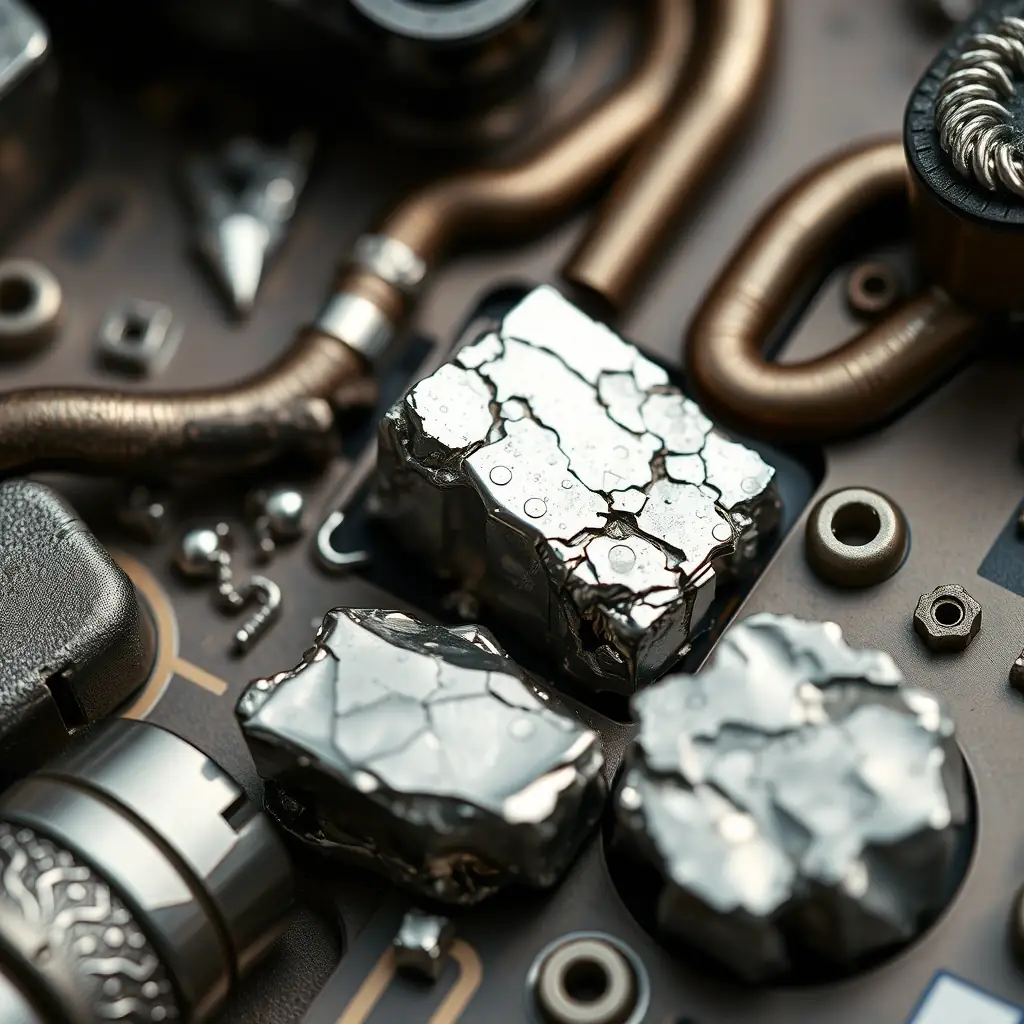
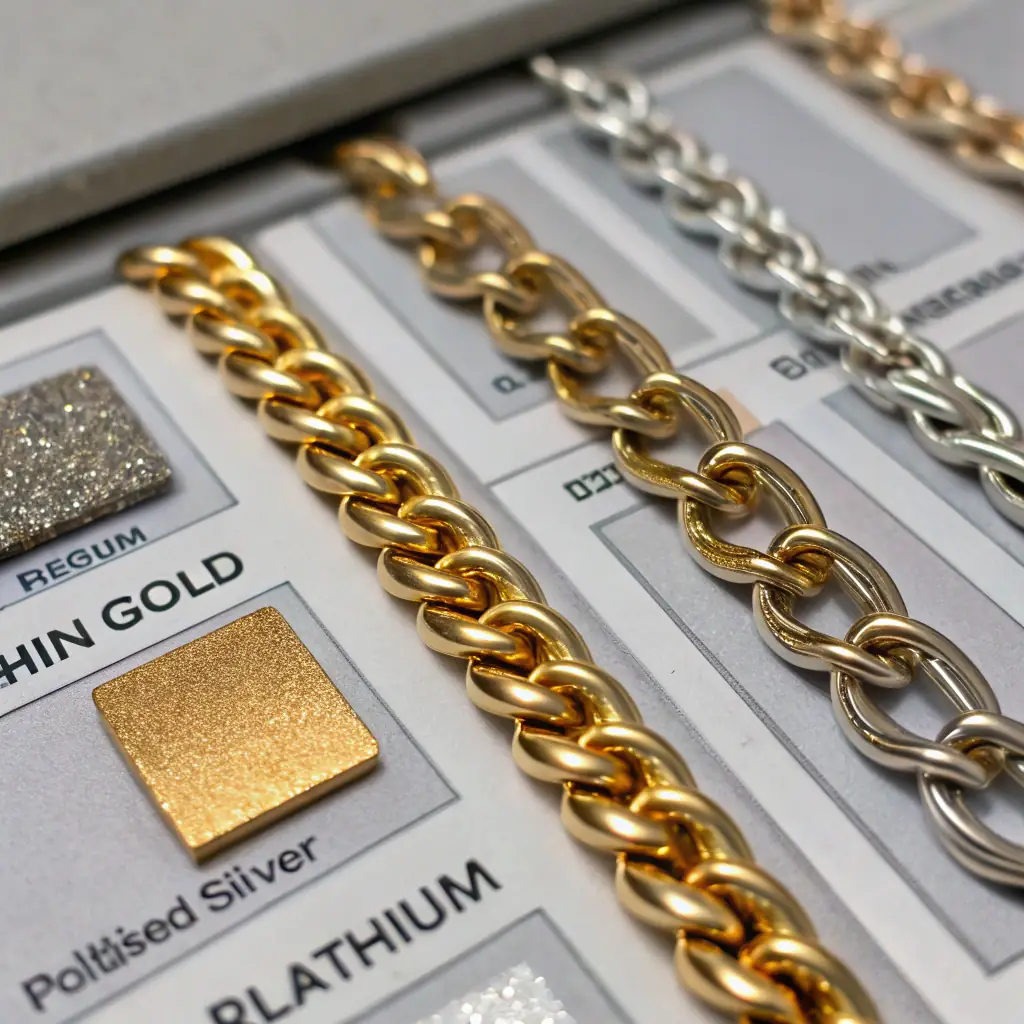
Delve into the essential physical and chemical properties of gold, silver, platinum, and palladium. Discover their unique characteristics, such as density, melting points, and chemical reactivity, which make them valuable in various applications.

Diverse Uses

Applications of Precious Metals

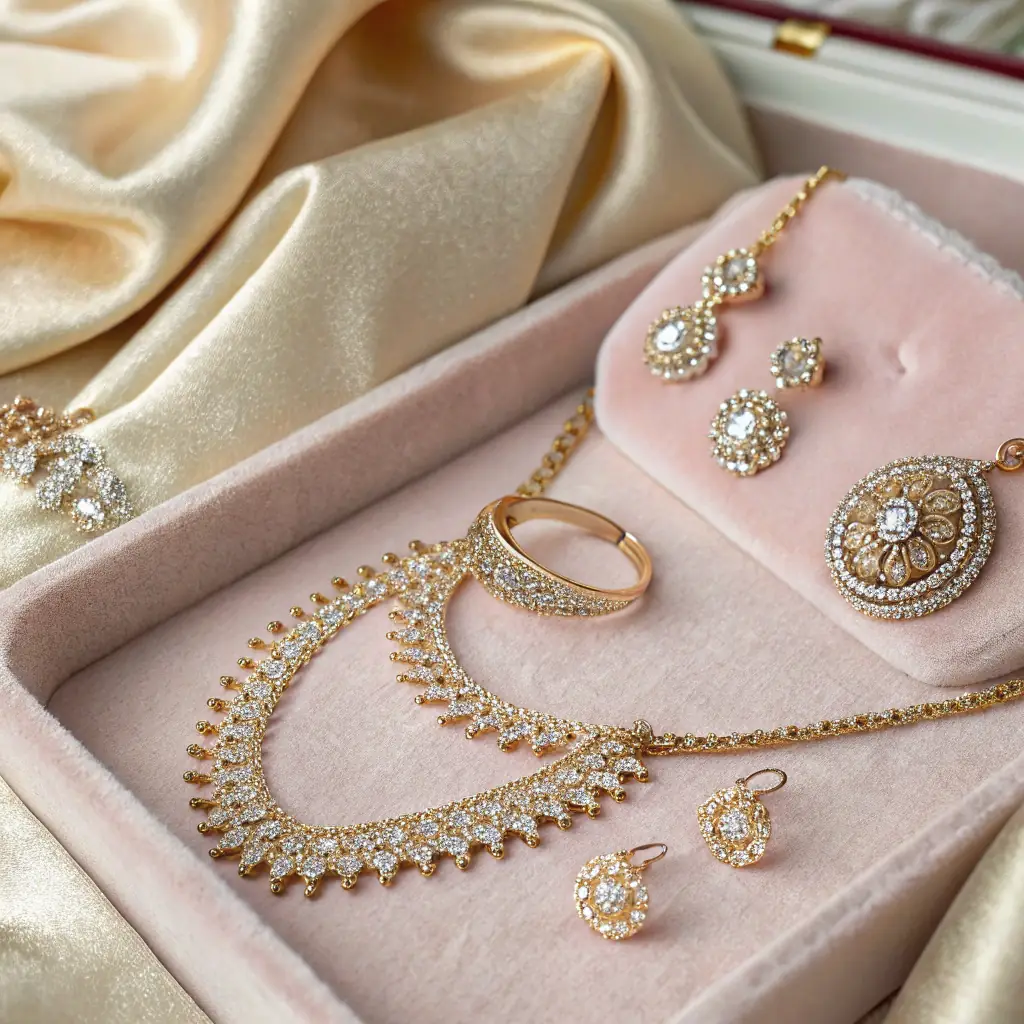
Precious metals are not just for jewelry. Gold, silver, platinum, and palladium are used in electronics, medicine, and even catalytic converters in cars. Their unique properties make them essential in various industries. Investing in precious metals can also diversify your portfolio. Consider the many ways these metals impact our world.

🧠 Why It Matters for Investors & Traders

Precious metals aren’t just stores of value — they’re deeply embedded in modern infrastructure, green energy, and tech. Understanding their real-world applications helps investors anticipate demand trends and market shifts, especially in a volatile economy.

1

Gold

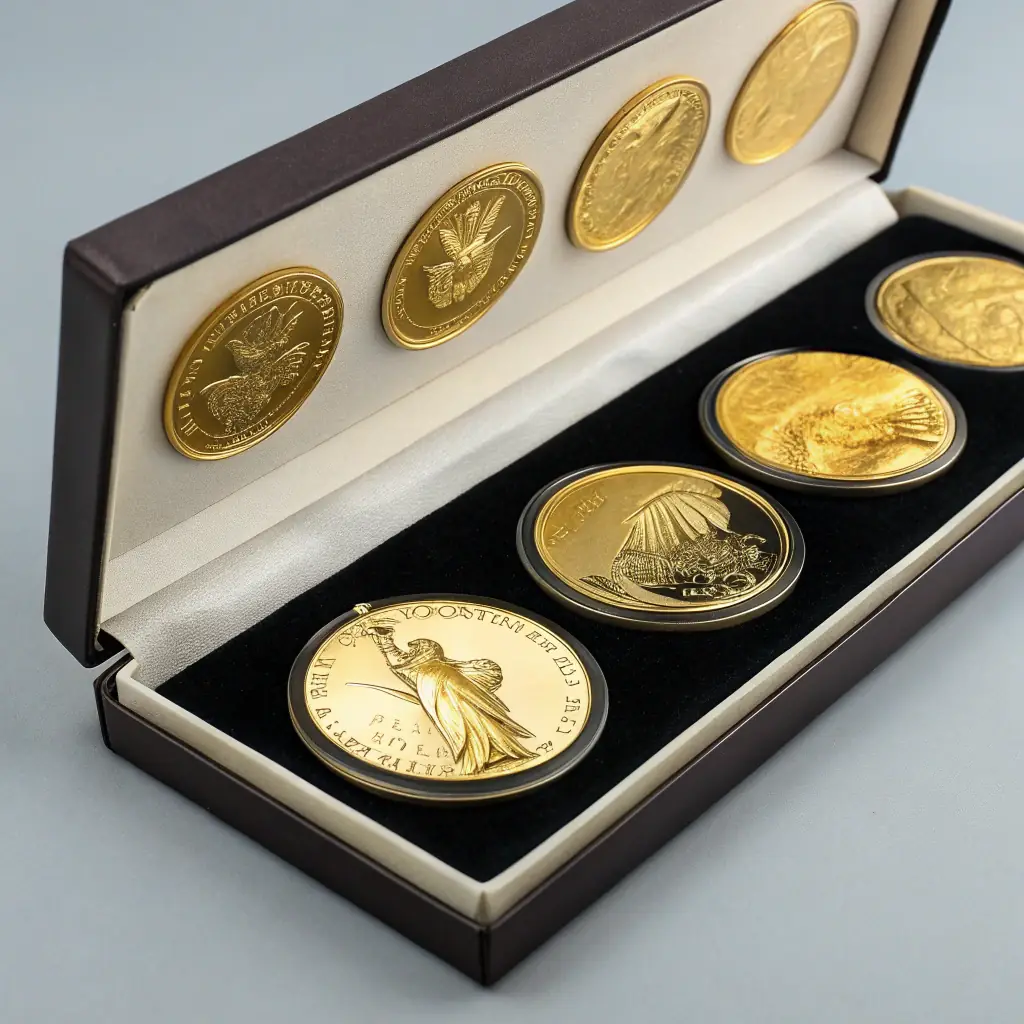
Gold remains a store of value and is used in jewelry, electronics, and as a hedge against economic uncertainty. Its stability contrasts with the volatility of cryptocurrencies.
1

Silver

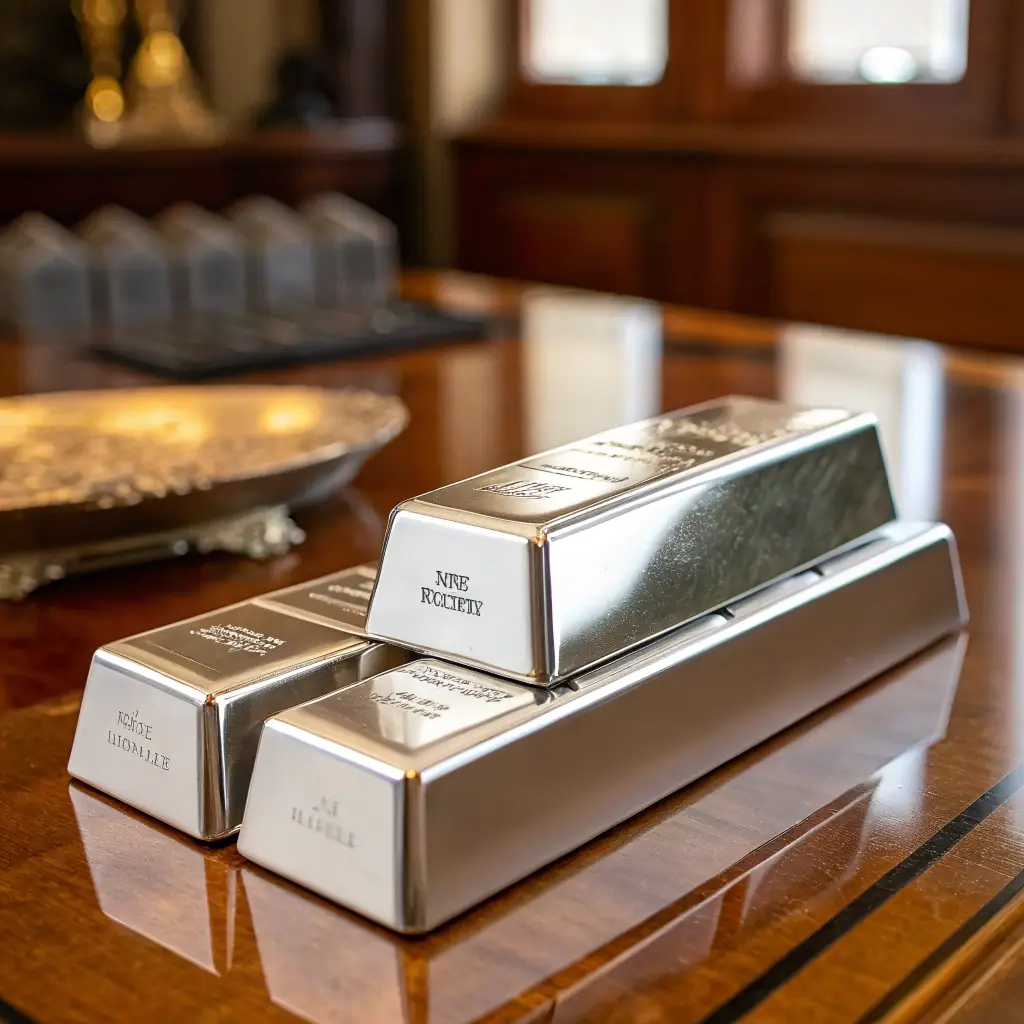
Silver is widely used in industrial applications, photography, and as an investment. Its demand is driven by both its monetary and practical uses.
1

Platinum

Platinum is crucial in catalytic converters, jewelry, and various industrial processes. Its scarcity and unique properties make it a valuable asset.
1

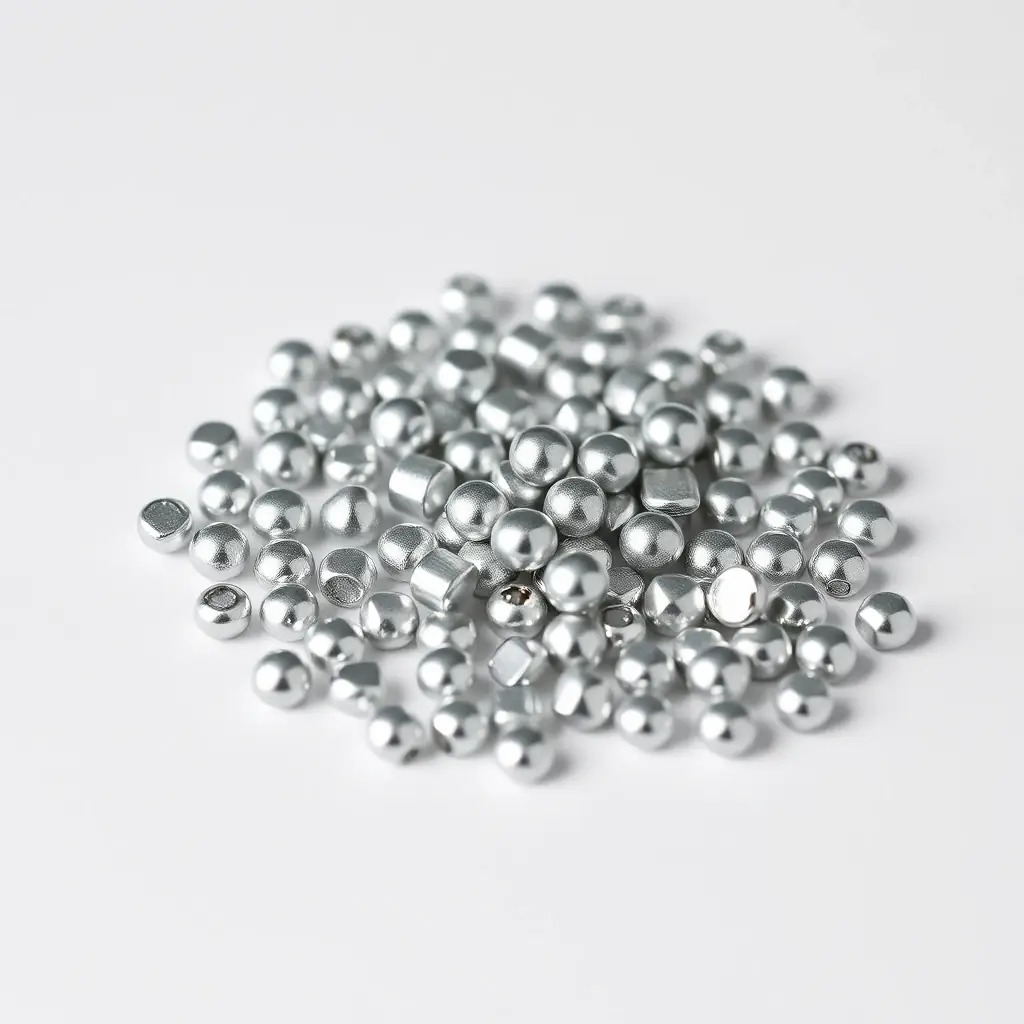
Palladium

Palladium is primarily used in catalytic converters to reduce emissions from vehicles. Its demand is closely tied to the automotive industry.

Usage of Precious Metals in Modern Era